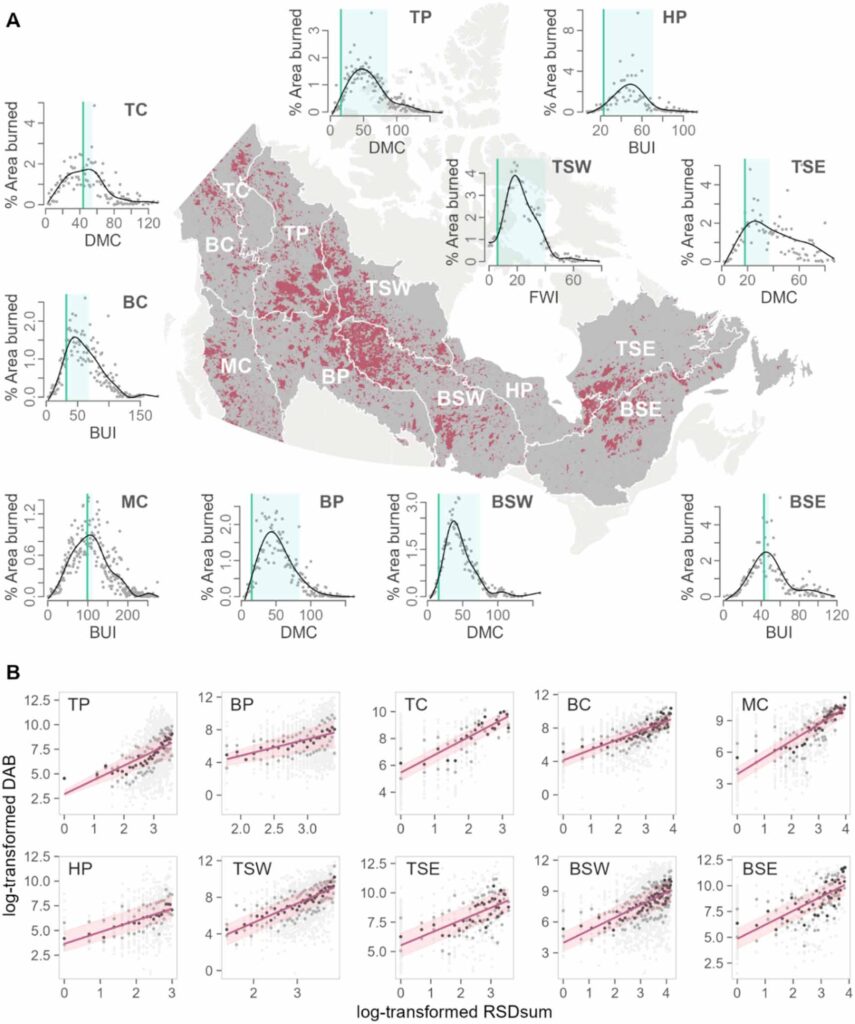
This study establishes a strong relationship between daily area burned in Canadian forests and the spatial extent of drought conditions, particularly fuel aridity. Analysing data from 2001 to 2023, the authors identify an average of 126 active burning days per year and significant increases in burned area, especially in central regions during summer. The findings also reveal a long-term trend toward more extreme fire events over the past 84 years, underscoring the escalating wildfire risk under intensifying drought.
A systematic review of human behavioral response to wildfire smoke
Caroline Beckman, Isabela Miñana Lovelace, Francisca N Santana, Megan Czerwinski, Sue Anne Bell and Alexandra Paige Fischer
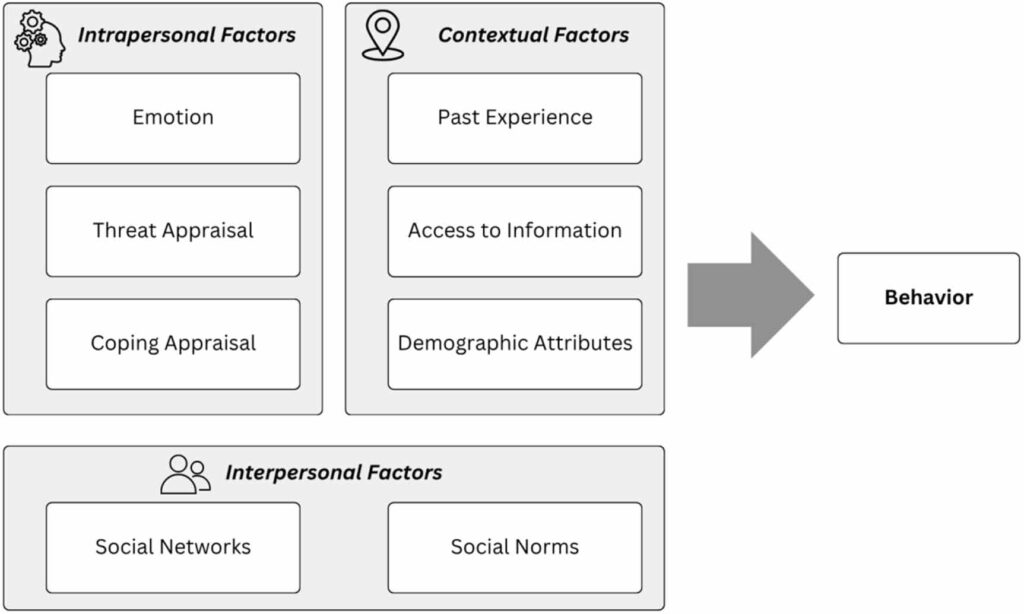
This systematic review synthesises research on human behavioural responses to wildfire smoke, highlighting the health risks and social disruptions associated with increasingly severe fire seasons. The study finds complex interactions between psychosocial factors and protective actions, and identifies major research gaps—particularly regarding social norms around smoke protection among vulnerable populations. The findings aim to support more effective public health interventions and policy responses.
Reappraisal of paths to decarbonising British electricity generation in 2030
D J Dunstan and A J Drew
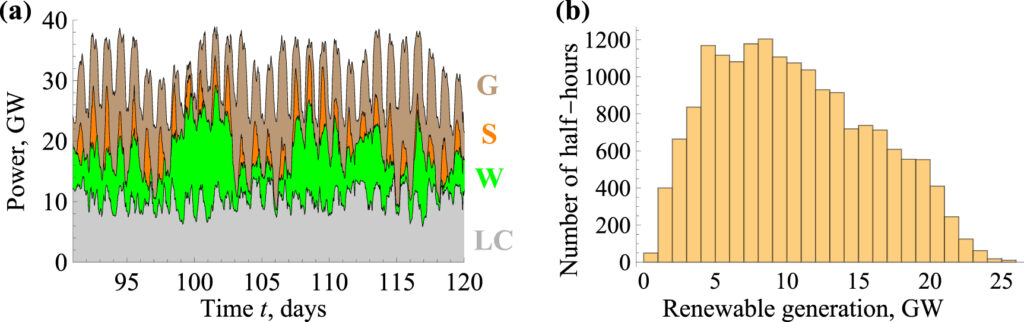
Dunstan and Drew reassess the UK Government’s plan to decarbonise electricity generation by 2030, highlighting underestimated challenges associated with the variability of wind and solar power. The study suggests that rapid electrification without addressing supply variability could exacerbate energy shortfalls. It emphasises the importance of complementary measures such as carbon capture technologies and flexible demand (“sheddable loads”) to manage surplus electricity and reduce emissions effectively.
Intensifying global heat threatens livability for younger and older adults
L A Parsons, J W Baldwin, G Guzman-Echavarria, O Jay, P Kalmus, H Staudmyer, J K Vanos and N H Wolff
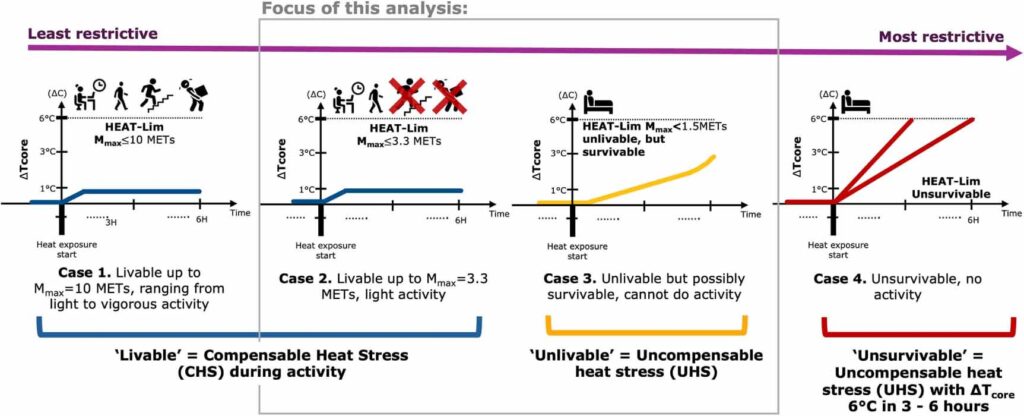
Using the HEAT-Lim model and historical data from 1950 to 2024, Parsons et al. show that rising global temperatures have already reduced the ability of people to safely sustain physical activity outdoors. Older adults face the greatest constraints, with severe impacts concentrated in South Asia, Southeast Asia, and Sub-Saharan Africa—regions where some areas are already approaching unliveable conditions during peak heat hours. The authors warn that these limitations will intensify as both global warming and population ageing continue.