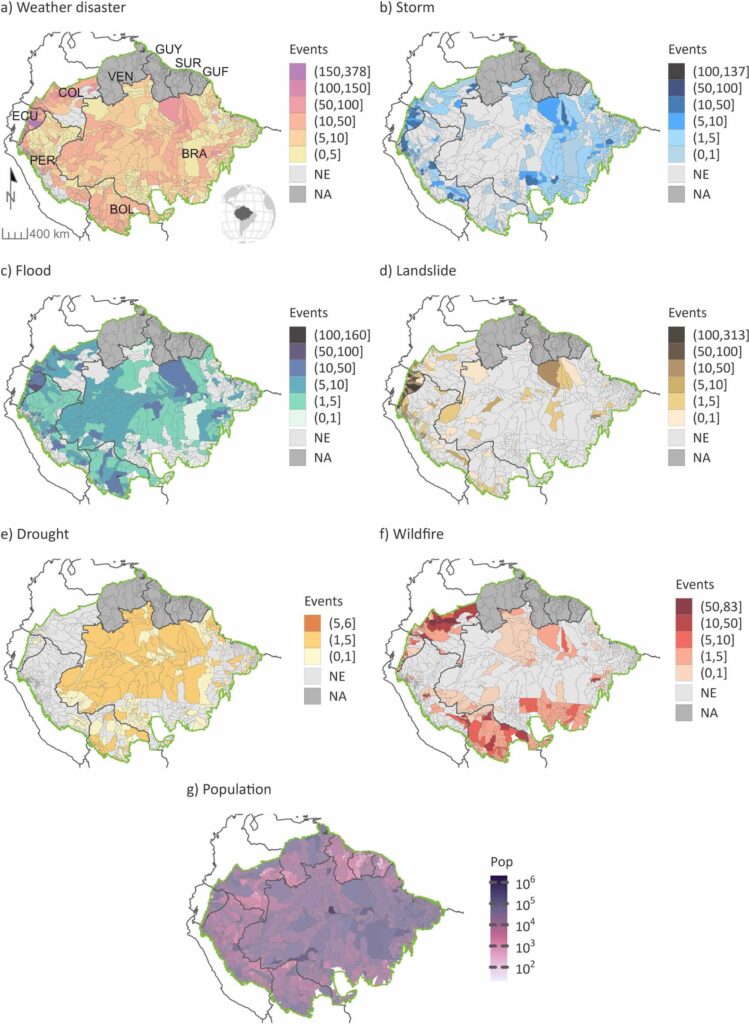
In this Perspective, Dávalos et al. reveal that the impacts of weather-related disasters on Amazonian communities are substantially underreported, particularly when these effects cross national borders. The authors highlight the urgent need for consistent, coordinated regional datasets to better capture these transboundary impacts, which are essential for informing public policy, strengthening disaster management, and improving long-term adaptation strategies across the Amazon basin.
When land becomes capital: farmland financialization and sustainability in Brazil
Daniel S Silva and Eugenio Y Arima
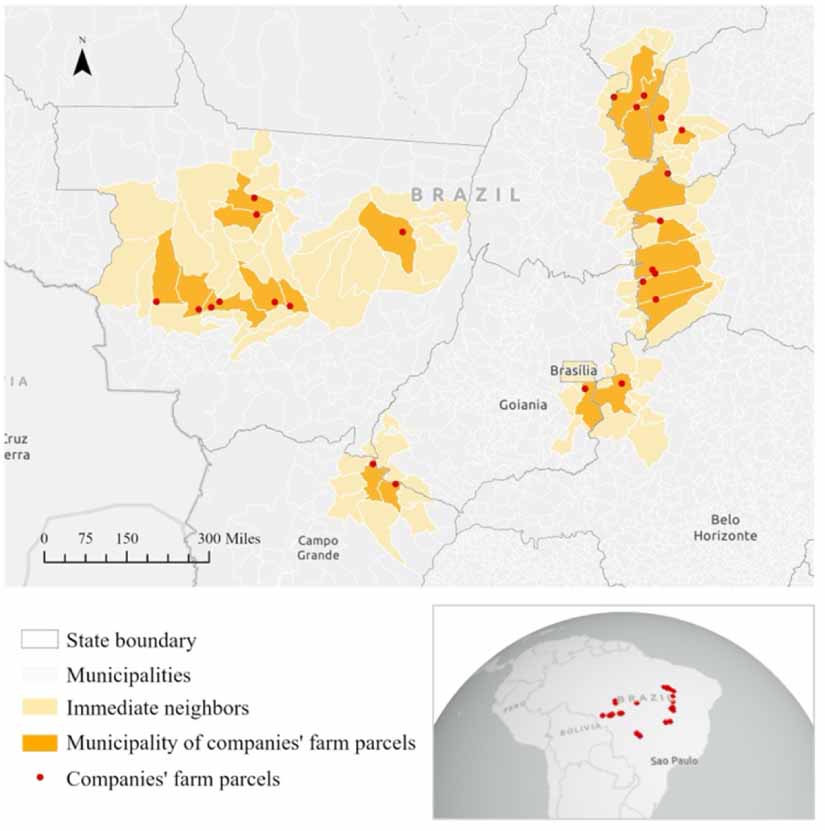
Silva and Arima examine how the increasing involvement of equity funds in Brazilian agriculture intensifies speculative dynamics and creates new tensions between short-term financial returns and long-term ecological sustainability. The Research Letter argues that farmland financialization can complicate Brazil’s sustainability ambitions unless governance frameworks and environmental performance metrics are more effectively integrated into investment decision-making.
Heatwaves in a net zero world
Sarah Perkins-Kirkpatrick, Lucinda Palmer, Andrew King and Tilo Ziehn
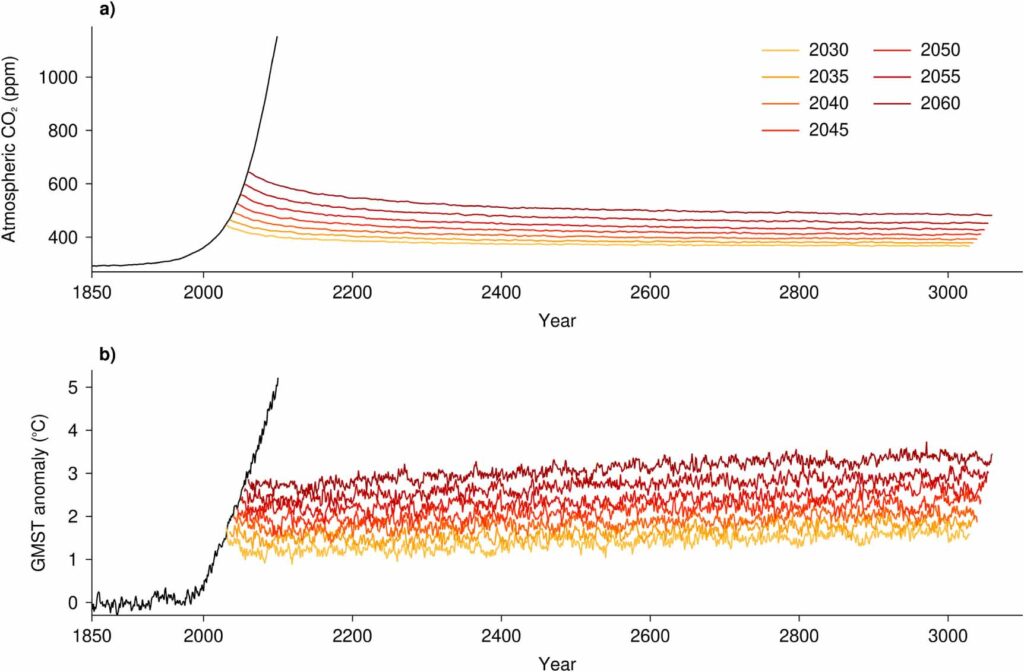
This research paper presents the first millennium-scale assessment of atmospheric heatwave changes under different net-zero emissions pathways. Perkins-Kirkpatrick et al. challenge the widespread assumption that climate conditions rapidly improve after reaching net zero, showing that global temperatures and heatwave characteristics do not immediately return to pre-industrial levels even once emissions cease, with important implications for near-term climate risk and adaptation planning.
Beating the heat in a low-income urban community of color: a qualitative study of coping strategies, barriers, and solutions
Saket Malhotra, Alixandra Rachman, Carmen Muniz-Almaguer, Annie Harper, Andrei Harwell and Robert Dubrow
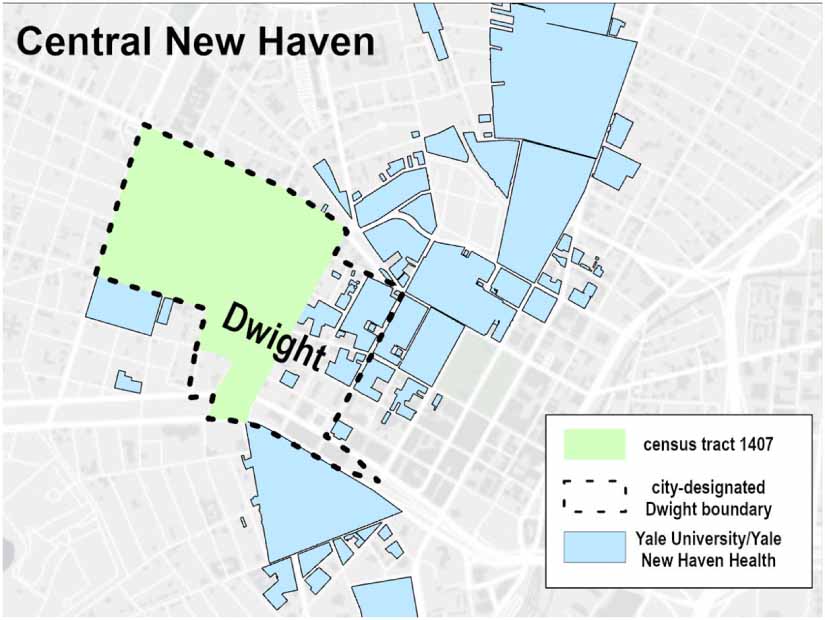
Dubrow et al. explore how residents of the Dwight neighbourhood in New Haven experience and cope with extreme heat, documenting both physical and mental health impacts. The qualitative study identifies barriers to staying cool, adaptive coping strategies, and community-driven solutions, including expanded green space and accessible cooling centres. The findings underscore the importance of municipal public investment and collective action to protect vulnerable communities from heat-related risks.
Just transition funds in U.S. states: explaining variation in political process and policy design
Hanna L Breetz, Rebecca Shelton, Mokshda Kaul and Leah C Kunkel
This study analyses just transition policymaking across five coal-producing U.S. states, revealing significant variation in political processes and policy design. Breetz et al. find that Democrat-led states tend to embed transition funding within broader legislative packages, while Republican-led states rely on smaller, standalone programmes. The results highlight how party control shapes energy transition policies and reflects the evolving political landscape surrounding just transition efforts.