



Environmental Research Series期刊亮点文章——ERCL&EREN&ERC&ERL&ERFS

17 Jun 2026 gabriels
本期精选文章来自Environmental Research: Climate(ERCL)、Environmental Research: Energy(EREN)、Environmental Research: Communications(ERC)、Environmental Research Letters(ERL)Environmental Research: Food Systems(ERFS),聚焦气溶胶减排对大西洋经向翻转环流的影响、全球碳排放路径演化、气候虚假信息传播、人口承载极限,以及粮食系统效率与食品安全等关键议题。

>>点击此处链接,订阅环境领域最新资讯。


精选文章

AMOC weakening in response to global and regional reductions in aerosol emissions

Robert J Allen, Timothy Carson, Wei Liu, Laura J Wilcox, Bjørn H Samset, Sharar Ahmadi, Annica M L Ekman, Maxwell T Elling, Luke Fraser-Leach, Paul Griffiths, James Keeble, Tsuyoshi Koshiro, Paul Kushner, Anna Lewinschal, Molly MacRae, Risto Makkonen, Joonas Merikanto, Pierre Nabat, Larissa Nazarenko, Declan O’Donnell, Naga Oshima, David Paynter, Geeta Persad, Steven T Rumbold, Neil Swart, Toshihiko Takemura, Kostas Tsigaridis, Knut von Salzen, Daniel M Westervelt and Taufiq Hassan
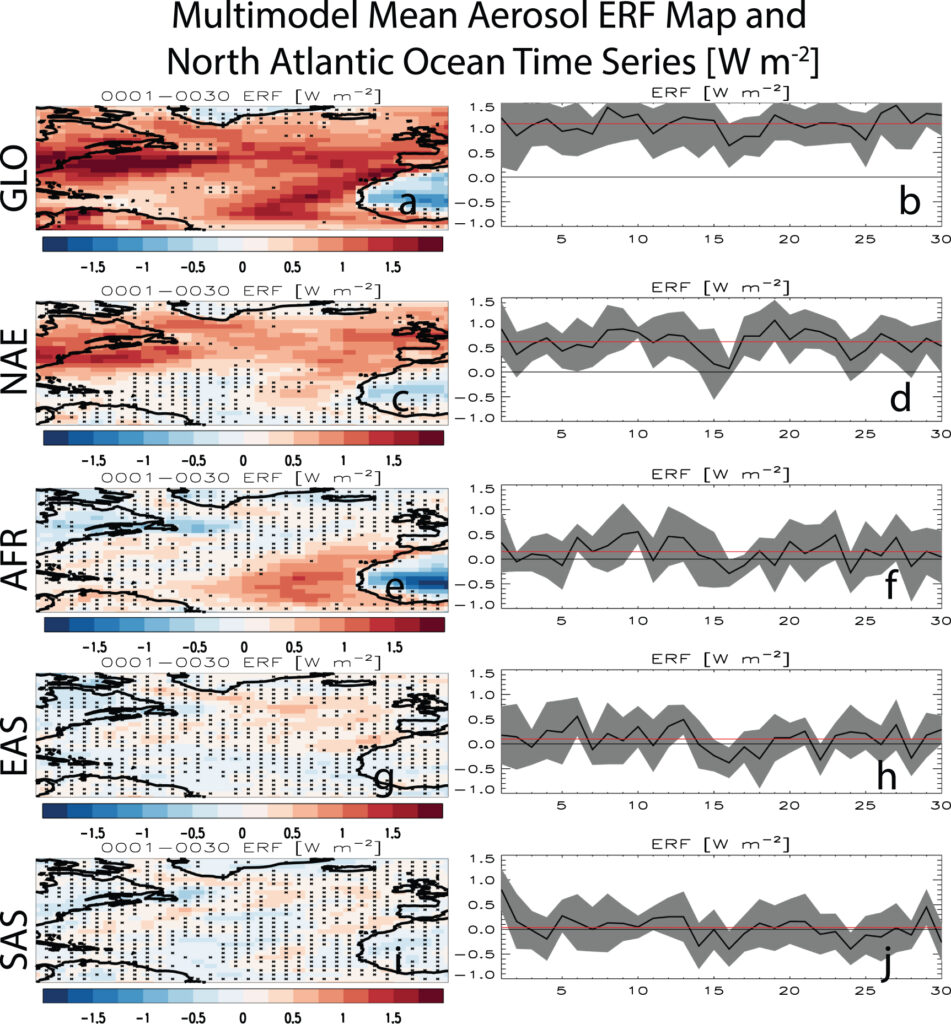
This study examines the impact of global and regional reductions in anthropogenic aerosol emissions on the Atlantic Meridional Overturning Circulation (AMOC), revealing a projected weakening of 6% by the mid-21st century due to these reductions. The study finds that combined reductions in North America and Europe lead to the most significant weakening, while improvements in air quality are linked to changes in buoyancy and surface radiation in the North Atlantic.


Decoding global carbon pathways: modeling emission patterns, turning points, and drivers in major countries

Chaoqing Huang, Qian Wu, Wei Xue, Yanwen Wang, Lina Zhang, Zhiyan Liu and Chao He
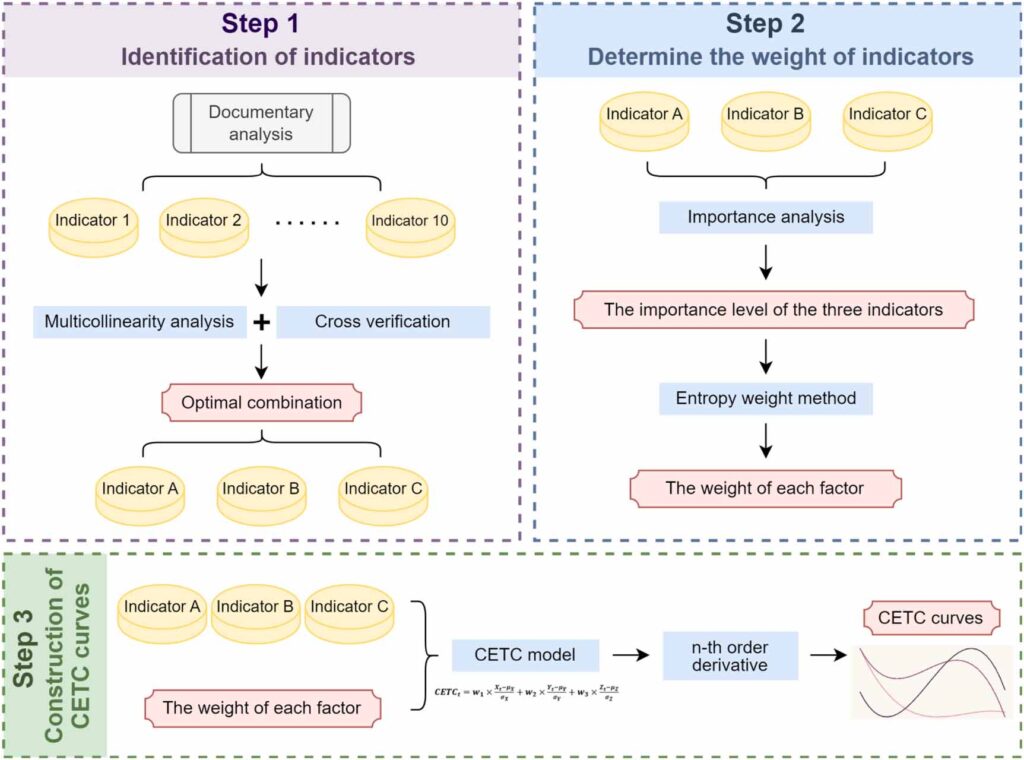
Authors introduce a Carbon Emissions Trajectory Curve (CETC) model to analyse the dynamic evolution of carbon emission pathways in 58 major countries from 1990 to 2021. It identifies six principal archetypes of emission pathways and highlights key turning points, revealing that developed nations experienced these shifts between 2000 and 2005, while developing countries saw changes between 2015 and 2020. The research provides a framework for understanding emission trajectories and supports the development of targeted mitigation policies for a global low-carbon transition.


Unravelling climate misinformation: fact-checking of climate disinformation in spanish-speaking podcasts

Mercè Cisneros, Jon X Olano Pozo, Anna Boqué-Ciurana, Caterina Cimolai, Daniel Dermit, Andrea Arnal, Marc Masip, Javier Sigro and Enric Aguilar
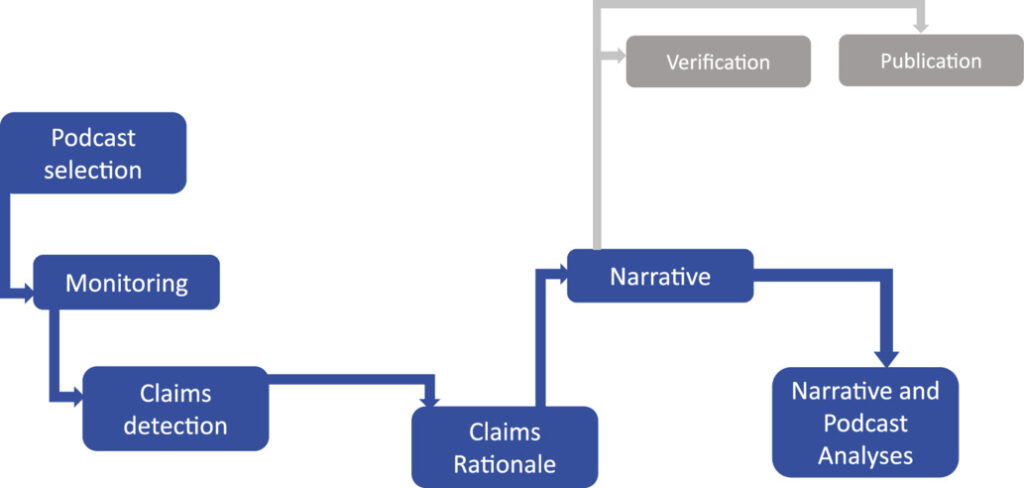
Cisneros et al. analyse climate misinformation in Spanish-speaking podcasts, identifying and categorizing prevalent narratives over eight months, particularly during COP27. Key findings reveal that the most common misinformation themes include doubts about climate science and the effectiveness of solutions, with a notable increase in claims during the COP27 period.


Global human population has surpassed Earth’s sustainable carrying capacity

Corey J A Bradshaw, Melinda A Judge, Daniel T Blumstein, Paul R Ehrlich, Aisha N Z Dasgupta, Mathis Wackernagel, Lewis J Z Weeda and Peter N Le Souëf
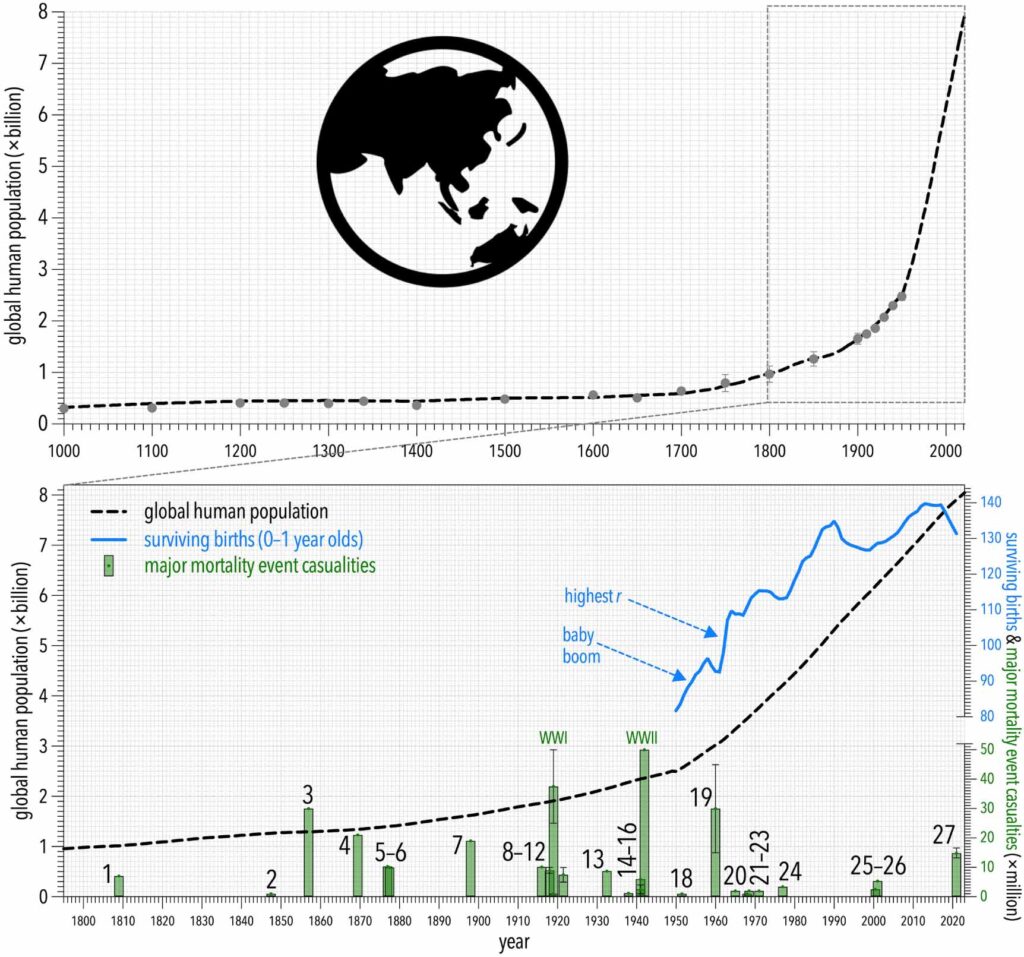
Bradshaw et al. indicate that the global human population has exceeded Earth’s sustainable carrying capacity, with a predicted population of 11.7–12.4 billion by 2076, despite a model suggesting a maximum sustainable population of 2.5 billion. The study highlights a decline in population growth rates since the 1950s and emphasizes the need for significant changes in socio-cultural practices to manage resources sustainably.


Only half of the calories produced on croplands are available as food for human consumption

Paul C West, James S Gerber, Emily S Cassidy and Samuel Stiffman
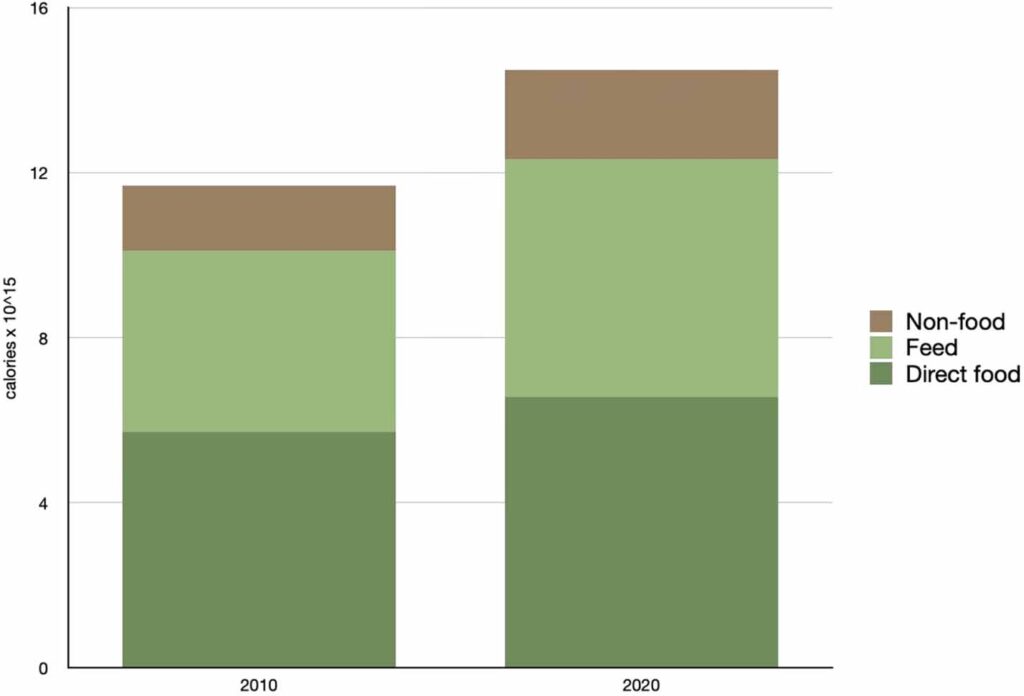
The research Letter reveals that only 50.1% of calories produced on croplands are available for human consumption, with significant inefficiencies stemming from increased use of crops for livestock feed and non-food purposes. Despite a 23.9% increase in total calorie production from 2010 to 2020, the calories available for food only rose by 16.6%. The study suggests that addressing inefficiencies, particularly related to beef and pork production, could significantly enhance food security and health outcomes.


期刊介绍

Environmental Research: Climate

  • 2024年影响因子: 5.4  Citescore: 4.0
  • Environmental Research: Climate(ERCL)是一本多学科、开放获取的期刊,致力于解决有关物理科学的重要挑战以及气候系统和全球变化的评估,并在影响/未来风险、复原力、环境减缓、环境适应、环境安全和最广泛意义上的解决方案方面进行努力。我们鼓励所有的研究方法,包括定性、定量、实验、理论和应用方法。
 

Environmental Research: Energy

  • Environmental Research: Energy(EREN)是一本多学科、开放获取的期刊,致力于解决与能源相关的重要挑战,并在影响/未来风险、复原力、环境减缓、环境适应、环境安全和最广泛意义上的解决方案方面进行努力。
 

Environmental Research Communications

  • 2024年影响因子:2.9  Citescore: 3.1
  • Environmental Research Communications(ERC)是一本开放获取期刊,涵盖与环境研究相关的所有领域,包括跨学科和多学科的研究。ERC发表推动该领域知识的所有研究结果,包括增量研究、负面结果、无效结果、案例分析、区域性研究和复制研究。
Environmental Research Letters

  • 2024年影响因子:5.6  Citescore: 11.1
  • Environmental Research Letters(ERL)以金色开放获取模式出版,作者可选择将原始数据作为补充资料与文章一起发表。所有研究人员可以免费获取这些研究成果。ERL汇聚了关注环境变化及其应对的研究团体和政策制定团体的意见,涵盖了环境科学的所有方面,出版研究快报、综述文章、观点和社论。ERL顺应了环境科学的跨学科发表的趋势,反映了该领域相关的方法、工具和评估战略,得到了来自不同领域的广泛贡献。
 

Environmental Research: Food Systems

  • Environmental Research: Food Systems是一本多学科、开放获取的期刊,致力于解决可持续食品系统的科学问题,并在影响/未来风险、复原力、环境减缓、环境适应、环境安全和最广泛意义上的解决方案方面进行努力。